Are Straw Bale Homes Healthier? Indoor Air Quality, Non-Toxic Materials, and Clean Air Living
Are Straw Bale Homes Healthier? Indoor Air Quality, Non-Toxic Materials, and Clean Air Living
When people ask me why I build with straw bale, most of them expect me to talk about energy efficiency or sustainability. And those are real, important benefits. But the one that I think deserves more attention, the one that gets personal for me, is the health of the families living inside these homes.
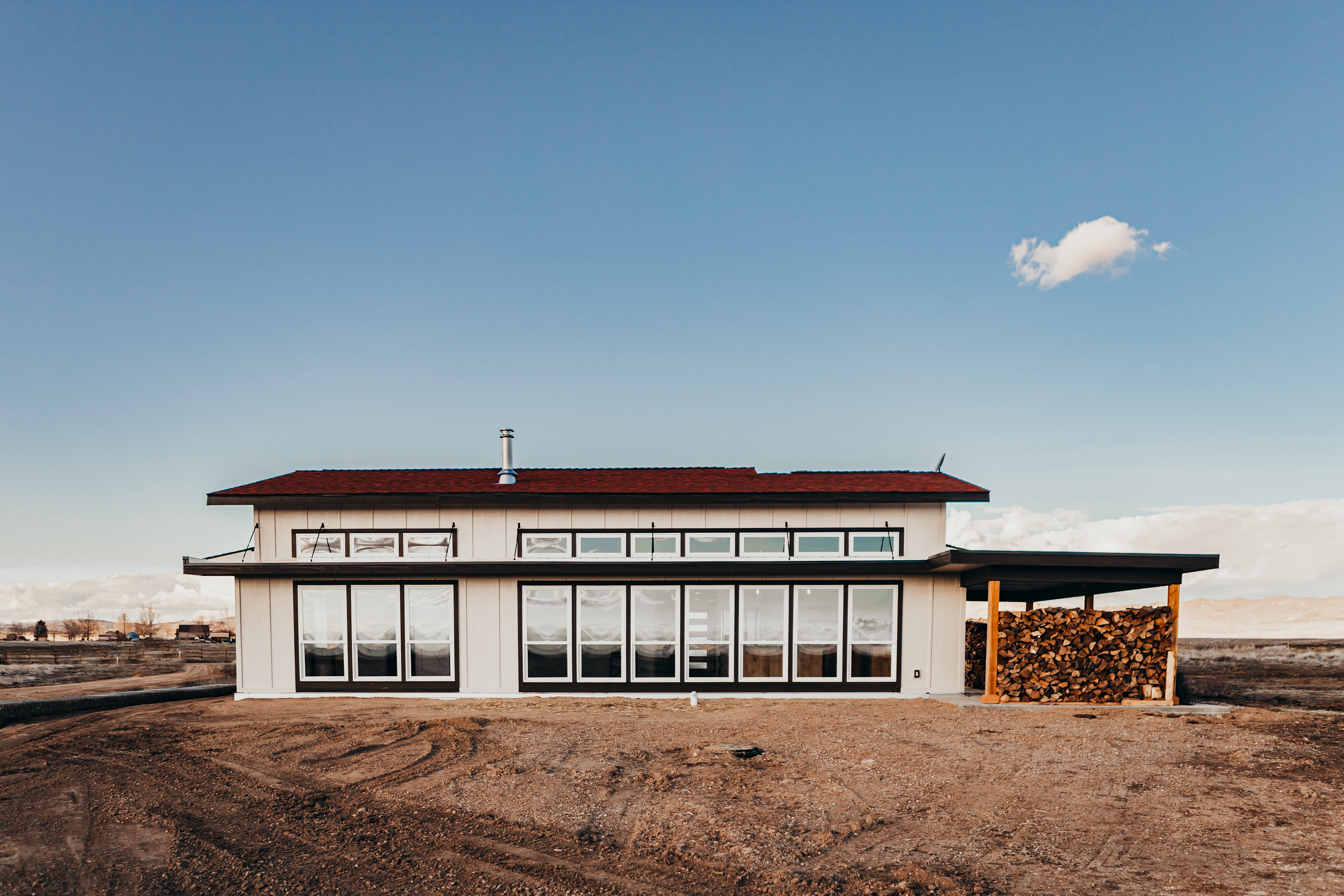
Straw bale homes are considered one of the healthiest home designs in the world. That is not marketing language. It is a reflection of what happens when you build walls out of a natural, non-toxic agricultural material and seal them with natural plasters instead of filling cavities with synthetic insulation and covering them with products that off-gas for years.
Let me explain what I mean by that, because "healthy home" can mean a lot of different things depending on who is saying it.
In conventional construction, the materials that go into your walls, floors, and finishes include a long list of products that release volatile organic compounds, known as VOCs, into the air your family breathes. Spray foam insulation, engineered wood products with formaldehyde-based adhesives, vinyl flooring, synthetic carpet, conventional paints. All of these contribute to indoor air pollution that the EPA has identified as a significant health concern.
A straw bale home starts from a fundamentally different material palette. The straw itself is an agricultural byproduct. It does not contain synthetic chemicals. It does not off-gas. The plasters used to finish straw bale walls, typically lime-based or earth-based plasters, are also natural materials with no VOC emissions. The result is a wall assembly that contributes nothing harmful to your indoor air.
But it goes beyond just the absence of bad stuff. The way a straw bale wall manages air and moisture actively contributes to a healthier indoor environment. Those thick, breathable walls naturally regulate indoor humidity levels. They buffer temperature swings. They create a stable, comfortable environment that does not rely on mechanical systems running constantly to maintain conditions.
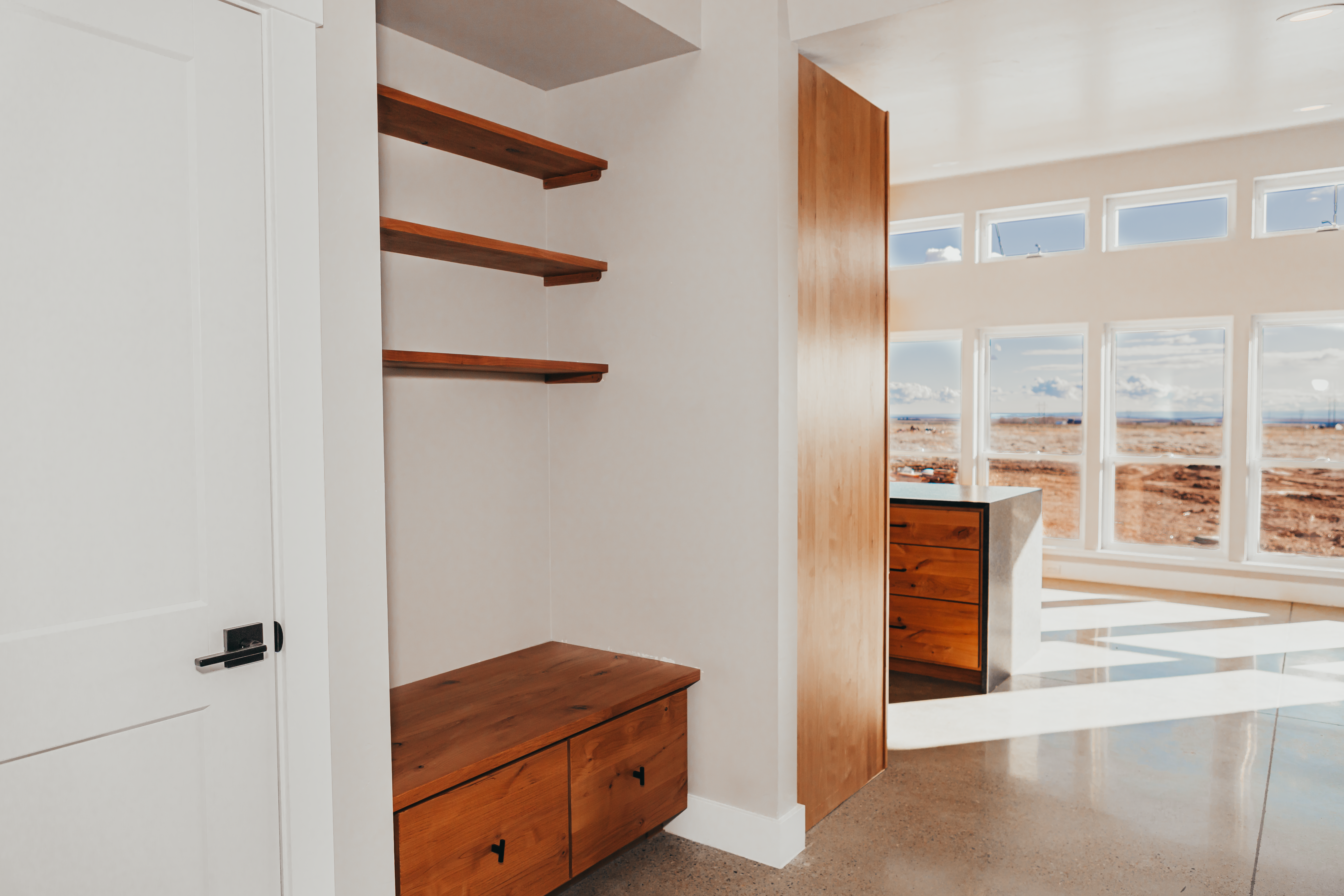
I build environments where families are going to live, have experiences, and grow up. That is something I take personally. It is somewhat sacred work. And when I think about the air quality inside the homes we build, I think about kids growing up breathing clean air. I think about families with allergy sensitivities finally sleeping through the night. I think about the long-term health of people who are going to spend decades of their lives inside these walls.
This matters more than most people realize. Americans spend roughly 90 percent of their time indoors. The quality of the air inside your home is arguably more important to your health than the air outside. And yet most homes are built with materials selected primarily for cost and convenience, not for the health of the occupants.
We approach it differently. Every material choice in an EarthCraft home is evaluated not just for performance and durability, but for its impact on indoor air quality. Natural insulation. Low-VOC or zero-VOC finishes. Careful attention to ventilation design that brings fresh air in without bringing pollutants with it.
The high-performance building approach we take compounds these benefits. A tight, well-insulated building envelope with controlled ventilation means you are managing exactly what comes into your home and what stays out. Combined with natural, non-toxic materials, this creates an indoor environment that is measurably cleaner and healthier than a conventional home.
I have had clients tell me they noticed a difference the first time they walked into their completed straw bale home. The air feels different. It is hard to describe until you experience it, but there is a quality to the air in a straw bale home that you simply do not get in a conventional stick-framed house. Some of that is the materials. Some of that is the moisture regulation. Some of that is the absence of the chemical soup that off-gasses from conventional building products.
If you or your family deal with allergies, asthma, chemical sensitivities, or you simply care about the quality of the air you breathe at home, I think you owe it to yourself to explore what straw bale construction offers. This is not a marginal improvement. It is a fundamentally different approach to building the environment your family lives in every day.
Ron Hixon, who founded this company, believed that building with natural materials was not just better for the planet. It was better for the people inside the building. Decades of experience have proven him right. The science supports it. The testing supports it. And the families living in these homes will tell you the same thing.
The healthiest home you can build starts with the healthiest materials. And there is nothing healthier than natural straw, sealed in natural plaster, built to perform for the rest of your life and the rest of your children's lives.
